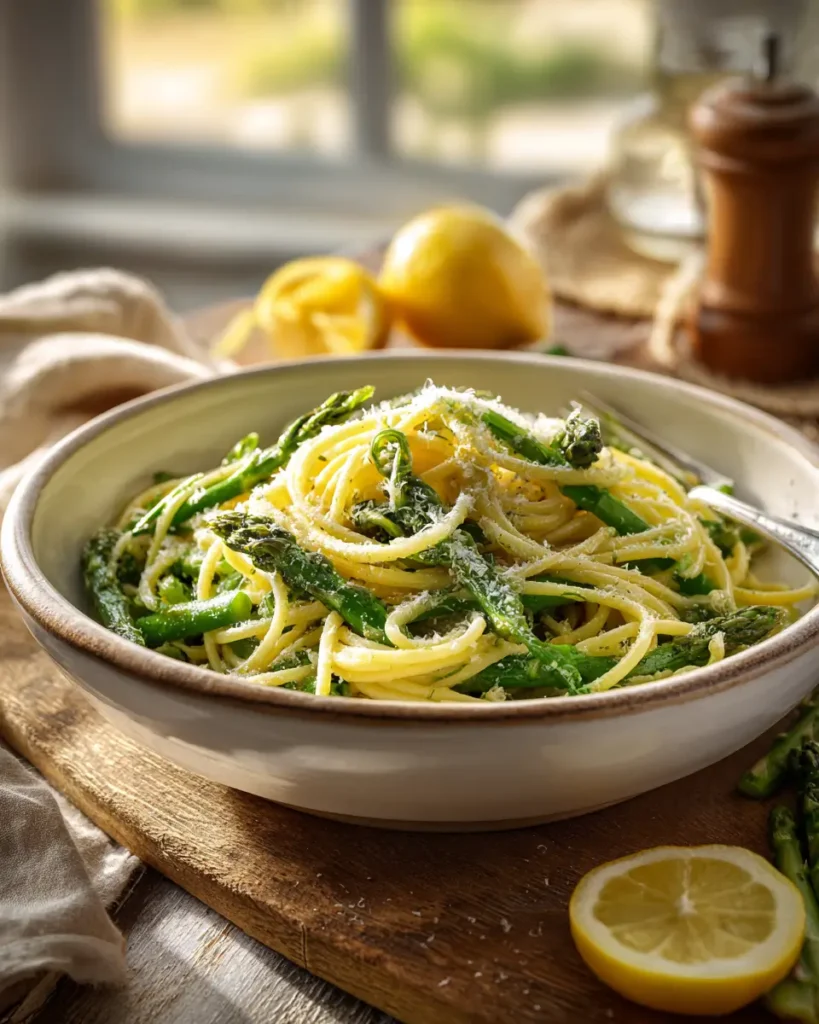
This asparagus pasta recipe brings together fresh spring flavor and simple pantry ingredients in a way that feels both comforting and practical. I make this asparagus pasta recipe when I want something quick yet satisfying, especially on busy evenings.
In this guide, you’ll learn how to prepare asparagus properly, cook pasta to the right texture, and bring everything together with a light, balanced sauce. I’ll also share helpful tips for storage, reheating, and easy swaps. Whether you need a reliable dinner or a make-ahead lunch, this asparagus pasta recipe fits easily into everyday cooking.
Recipe Rhythm Guide
Table of Contents
Asparagus Pasta Recipe Story & Inspiration
A simple asparagus pasta recipe from home kitchens
Hi there! I’m Maeve Connell, and this asparagus pasta recipe takes me straight back to the kind of cooking I grew up with in County Clare. We didn’t fuss much with complicated meals. Instead, we relied on fresh ingredients, simple steps, and good timing. When asparagus came into season, it always felt like a small celebration.
Now in Asheville, I still cook the same way. This asparagus pasta recipe shows up often in my kitchen because it’s quick, flexible, and comforting without feeling heavy. Some evenings, I make it with just garlic, olive oil, and parmesan. Other days, I add whatever I have on hand.
What I love most about this asparagus pasta recipe is how it fits real life. You don’t need special ingredients. You don’t need much time. Yet the result feels warm and complete. It’s the kind of dish you return to again and again, especially when you want something reliable.
If you enjoy simple meals like my creamy garlic pasta or quick lunchbox pasta ideas, this recipe will feel right at home in your routine.
Why this asparagus pasta recipe works so well
This asparagus pasta recipe works because it keeps things balanced. The asparagus adds freshness, the pasta gives structure, and the sauce ties everything together without overwhelming the dish.
It also cooks quickly. You can have everything ready in about 25 minutes, which makes it ideal for weeknights. At the same time, it stores well, so you can pack leftovers for lunch the next day.
Another reason this asparagus pasta recipe stands out is flexibility. You can add protein, swap pasta types, or adjust flavors depending on what you have. If you’ve tried recipes like simple vegetable pasta bowls or easy lemon pasta, you’ll notice the same practical approach here.
Ingredients & Preparation for Asparagus Pasta Recipe
Key ingredients for the best asparagus pasta recipe
To make a good asparagus pasta recipe, focus on fresh and simple ingredients:
- Fresh asparagus (bright green, firm stalks)
- Pasta (spaghetti, penne, or linguine)
- Olive oil
- Garlic
- Parmesan cheese
- Lemon juice
Optional additions include chicken, shrimp, or peas. If you need swaps, you can use frozen asparagus or gluten-free pasta without changing the process much.
| Ingredient | Purpose |
|---|---|
| Asparagus | Adds fresh texture and flavor |
| Pasta | Base of the dish |
| Olive oil | Creates light sauce |
| Garlic | Adds depth |
Prep tips for asparagus pasta recipe success
Start by trimming the woody ends of the asparagus. Then cut the stalks into even pieces so they cook at the same rate.
Next, bring a pot of salted water to a boil. This step matters because properly salted water improves the flavor of the pasta itself.
At the same time, prepare your garlic and other ingredients so everything is ready when cooking begins. Timing plays a big role in this asparagus pasta recipe.
If you often cook quick meals like one-pot pasta recipes or meal prep pasta bowls, this preparation style will feel familiar and efficient.
Step-by-Step Asparagus Pasta Recipe Method
How to cook asparagus pasta recipe perfectly
Start by cooking your pasta in salted boiling water. Stir occasionally and cook until just tender.
While the pasta cooks, heat olive oil in a pan. Add garlic and cook briefly until fragrant. Then add the asparagus and cook until just tender but still bright.
Before draining the pasta, save a cup of pasta water. This step helps create a smooth sauce later.
Add the cooked pasta to the pan with asparagus. Pour in a small amount of pasta water and toss everything together. Finish with parmesan cheese and a squeeze of lemon juice.
Step-by-step cooking flow
- Boil salted water and cook pasta
- Heat oil and cook garlic
- Add asparagus and cook until tender
- Combine pasta with asparagus
- Add pasta water, cheese, and seasoning
Common mistakes to avoid
Many people overcook asparagus, which makes it soft and dull. Keep it slightly firm for better texture.
Another mistake is skipping salt in the pasta water. This step affects the entire dish.
Also, don’t forget pasta water. It helps the sauce cling to the pasta instead of sitting at the bottom of the pan.
If you’ve made dishes like quick skillet pasta or garlic butter noodles, you already know how important these small steps are.
Variations, Storage & Serving Ideas
Easy variations of asparagus pasta recipe
You can change this asparagus pasta recipe in several ways:
- Add cream for a richer version
- Use lemon and garlic for a lighter style
- Add chicken or shrimp for protein
- Use plant-based cheese for a dairy-free option
- Choose gluten-free pasta if needed
Serving, storing, and reheating
Serve this asparagus pasta recipe warm right after cooking. It tastes best when fresh.
For storage, place leftovers in an airtight container and keep in the fridge for up to three days.
To reheat, add a splash of water or broth and warm gently on the stove. This keeps the pasta from drying out.
| Serving Style | Description |
|---|---|
| Warm dinner | Freshly cooked and served hot |
| Cold pasta | Chilled for lunch |
| Meal prep | Packed for busy days |
Related recipes
Strawberry Spinach Salad Recipe
Lemon Vinaigrette Salad Recipe
Fresh Spring Salad Ideas Recipe
Conclusion
This asparagus pasta recipe shows how simple ingredients can create a meal that feels complete and satisfying. With just a few steps, you can bring together fresh asparagus, pasta, and a light sauce that works for both dinner and lunch. The flexibility makes it easy to adapt based on what you have at home. Once you make it, it often becomes part of your regular routine. Keep the process simple, focus on timing, and enjoy a dish that fits comfortably into everyday cooking.
Want more recipes? Follow me on Facebook and Pinterest!
FAQs
Can I use frozen asparagus for this asparagus pasta recipe?
Yes, you can use frozen asparagus. Thaw it first and cook briefly to avoid excess moisture.
What pasta works best for asparagus pasta recipe?
Spaghetti, penne, and linguine all work well. Choose based on your preference.
How do I keep asparagus from getting mushy?
Cook it for a short time and remove it from heat while still slightly firm.
Can I make this asparagus pasta recipe ahead of time?
Yes, you can prepare it in advance and reheat gently with a bit of liquid.
Print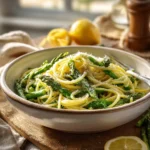
Asparagus Pasta Recipe – Simple, Fresh, and Comforting Dinner
- Total Time: 25 minutes
- Yield: 2–3 servings 1x
- Diet: Vegetarian
Description
This asparagus pasta recipe is fresh, simple, and perfect for a quick dinner or easy lunch.
Ingredients
200g pasta
1 bunch fresh asparagus, trimmed and cut
2 cloves garlic, minced
2 tablespoons olive oil
1/4 cup grated parmesan cheese
1 tablespoon lemon juice
Salt to taste
Black pepper to taste
Instructions
1. Bring a large pot of salted water to a boil and cook the pasta until al dente
2. Heat olive oil in a pan and cook the garlic until fragrant
3. Add asparagus and cook until tender but still firm
4. Reserve some pasta water, then drain the pasta
5. Add pasta to the pan and toss with asparagus
6. Add a splash of pasta water and mix well
7. Stir in parmesan cheese and lemon juice
8. Season with salt and pepper, then serve warm
Notes
Do not overcook the asparagus
Always reserve pasta water
Add chicken or shrimp if desired
Store in fridge up to 3 days
- Prep Time: 10 minutes
- Cook Time: 15 minutes
- Category: Dinner
- Method: Stovetop
- Cuisine: American
Nutrition
- Serving Size: 1 serving
- Calories: 350
- Sugar: 3g
- Sodium: 300mg
- Fat: 12g
- Saturated Fat: 3g
- Unsaturated Fat: 8g
- Trans Fat: 0g
- Carbohydrates: 50g
- Fiber: 4g
- Protein: 12g
- Cholesterol: 10mg